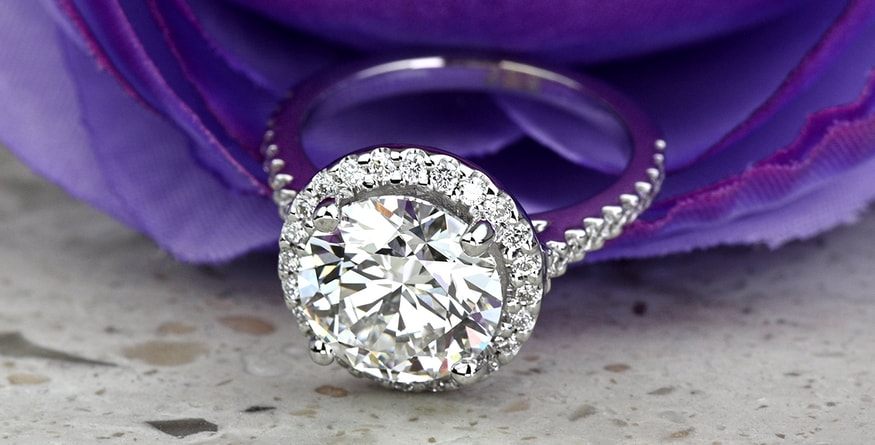
What Are CVD Diamonds? Everything You Need to Know
CVD diamonds - have you ever wondered what they are? You’re not alone. These lab-grown gems are making waves in the diamond industry, offering an alternative to natural diamonds. But what exactly are they?
If you're considering a new piece of jewelry, an engagement ring, or simply curious about diamond innovations, understanding CVD diamonds can open up a world of possibilities. Let’s dive in and explore everything you need to know about CVD diamonds.
What Are CVD Diamonds?
So, what are CVD diamonds? CVD stands for Chemical Vapor Deposition, a fascinating process that creates diamonds in a lab. Unlike natural diamonds, which form deep within the Earth over millions of years, CVD diamonds are grown in a controlled environment, allowing us to produce stunning gems in a fraction of the time.
But how does this all work? Picture a tiny diamond seed placed inside a vacuum chamber. This chamber is then filled with a specific gas mixture - typically hydrogen and methane - and heated to incredibly high temperatures, reaching thousands of degrees Celsius. As the gas breaks down under the intense heat, carbon atoms begin to attach to the diamond seed, layer by layer. Over time, these layers build up to form a synthetic diamond that shares the same chemical composition and crystal structure as a natural diamond.
The result? Beautiful, high-quality CVD diamonds that are virtually indistinguishable from natural diamonds to the untrained eye. And the best part? These diamonds are created with precision and care, making them a fantastic option for those who want the beauty of a diamond without the wait - or the mining.
How Are CVD Diamonds Made?
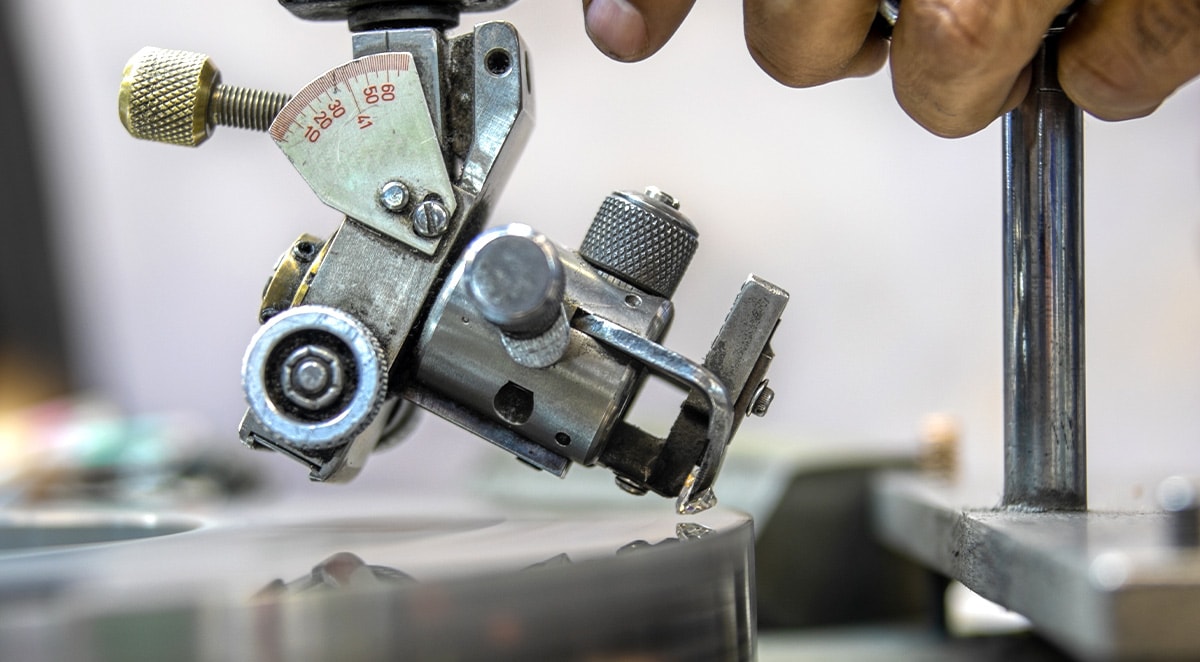
Now that we know what CVD diamonds are, let's take a closer look at how they’re made. The process of creating these diamonds is as intriguing as the diamonds themselves, combining science and artistry in a way that produces stunning results.
The beauty of the CVD process is that it allows for the creation of high-quality diamonds with exceptional chemical properties and internal structure. These diamonds are not just imitations - they’re the real deal, sharing the same thermal conductivity, optical properties, and molecular bonds as natural diamonds.
And because this process is done in a lab, it’s more environmentally friendly and avoids the ethical issues associated with diamond mining. No blood diamonds or Conflict diamonds here - just pure, lab-grown beauty.
CVD Diamonds vs. Natural Diamonds

Now, let’s get into the juicy details - how do CVD diamonds stack up against natural diamonds? You might be wondering if there’s a real difference between the two, and we’re here to break it down for you.
Chemical Composition and Physical Properties
At their core, CVD diamonds and natural diamonds are made of the same stuff - carbon. Both types of diamonds share the same chemical composition, meaning they consist purely of carbon atoms arranged in a crystal lattice. This arrangement gives them their incredible hardness and other physical properties like thermal conductivity and resistance to scratching. So, in terms of what they’re made of, there’s no difference; a CVD diamond is just as “real” as a diamond dug out of the earth.
Optical Properties and Color Tints
When it comes to sparkle and shine, CVD diamonds are nearly indistinguishable from natural diamonds. Both exhibit the same optical properties, such as brilliance, fire, and scintillation. However, CVD diamonds may sometimes have subtle color tints due to the conditions in which they were grown. These tints are typically so minor that they’re only noticeable under close inspection by a diamond expert. The ability to control these tints during the diamond process is one of the fascinating aspects of creating lab-grown CVD diamonds.
Crystal Structure and Internal Structure
The crystal structure of a diamond is crucial to its overall quality and beauty. Both CVD diamonds and natural diamonds share the same crystal structure, which is responsible for their unparalleled hardness and durability. The internal structure of CVD diamonds is carefully controlled during the growth process, ensuring they develop without the flaws often found in natural diamonds. This precision leads to high-quality diamonds that can sometimes even outperform their natural counterparts in terms of clarity and lack of inclusions.
Environmental and Ethical Considerations
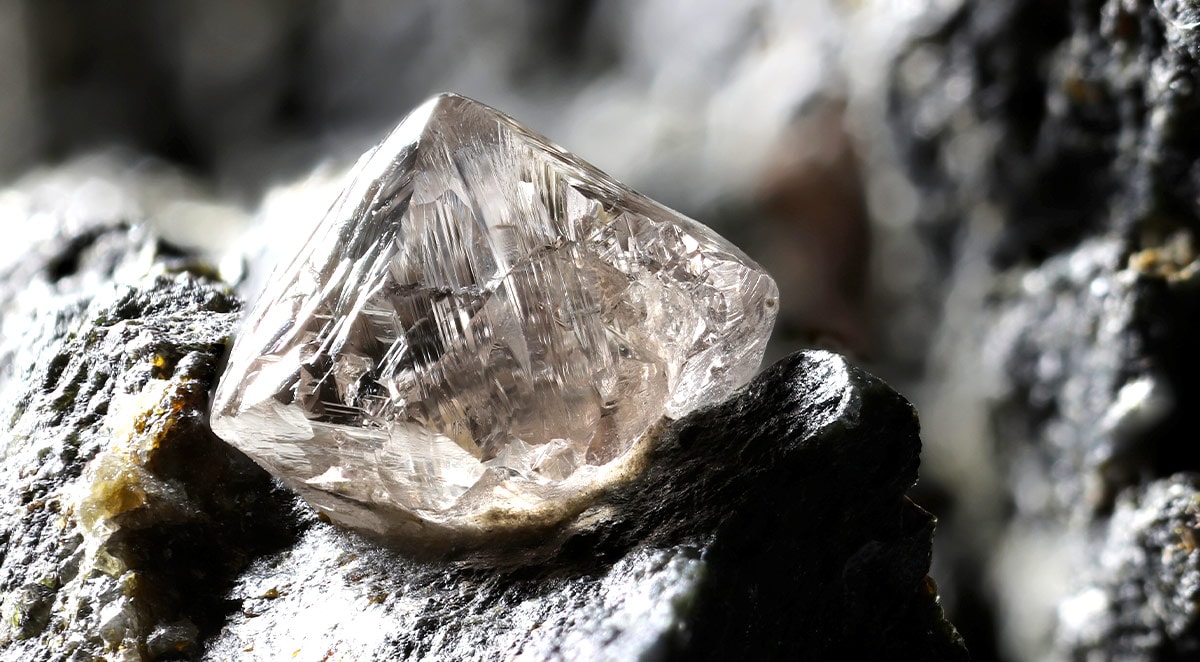
One of the biggest advantages of CVD diamonds is their ethical and environmental impact. Unlike natural diamonds, which are often associated with diamond mining and the risks of blood diamonds or Conflict diamonds, CVD diamonds are created in a lab, which means no harmful mining practices are involved. This makes them a more sustainable and ethical choice for those who are conscious of the impact their purchases have on the world. Plus, without the need for mining, CVD diamonds are free from the ethical concerns that sometimes plague the diamond industry.
Price and Accessibility
Because CVD diamonds are grown in a lab, they are generally more affordable than natural diamonds. This price difference doesn’t mean a compromise in quality, though. CVD diamonds offer the same durability, beauty, and brilliance as natural diamonds, making them an excellent choice for anyone looking for a larger diamond at a more accessible price point. The reduced cost comes from the ability to produce these diamonds on demand without the extensive time and labor involved in traditional mining.
Expert Opinions and Market Trends
Expert gemologists have recognized that CVD diamonds are every bit as genuine as natural diamonds. In fact, many in the diamond industry see them as the future of diamond jewelry. With more people becoming aware of the benefits of lab-grown CVD diamonds, the market is rapidly expanding, making these gems more popular than ever. The ability to create diamonds with specific qualities - like exact carat weight or tailored optical properties - is particularly appealing to consumers and designers alike.
If you need help identifying your diamond or understanding its qualities, our expert team at Brilliance is here. We are happy to assist and help!
In summary, whether you’re considering a natural diamond or a CVD diamond, you’re getting a real diamond. But with CVD diamonds, you’re also getting a gem that’s ethical, sustainable, and more accessible without sacrificing any of the beauty or quality that diamonds are known for.
Benefits of CVD Diamonds

Now that we’ve compared CVD diamonds to natural diamonds let’s talk about why you might want to choose a CVD diamond for your next piece of jewelry. Spoiler alert: there are plenty of reasons to love these lab-grown beauties!
In a nutshell, CVD diamonds offer all the beauty and brilliance of natural diamonds, with added benefits that make them an attractive option for modern consumers.
The Value of CVD Diamonds
When it comes to diamonds, understanding their value is key to making an informed purchase. CVD diamonds are no exception, and several factors contribute to their overall worth. Let’s break down what makes these lab-grown gems valuable.
Carat Weight and Diamond Size: Just like natural diamonds, the value of a CVD diamond is significantly influenced by its carat weight. Larger diamonds are generally more valuable, but with CVD diamonds, you might find that you can afford a larger diamond without the hefty price tag that usually comes with a natural counterpart. The ability to grow diamonds to specific sizes in a lab means you can often get exactly what you’re looking for.
Clarity and Internal Structure: The internal structure of a diamond plays a crucial role in its value. CVD diamonds are grown in a controlled environment, which often results in fewer inclusions and imperfections compared to natural diamonds. This means that CVD diamonds can offer higher clarity, which enhances their brilliance and overall value. In fact, these diamonds are carefully crafted to ensure their internal structure meets the highest standards, making them a top choice for those seeking perfection.
Color and Optical Properties: The optical properties of a diamond, including its color, also affect its value. CVD diamonds can be produced with precise color tints, allowing for a wider range of color options. Whether you’re looking for a colorless gem or one with a subtle hue, CVD diamonds can be tailored to your preference. This level of customization not only adds to the diamond’s aesthetic appeal but also its value in the market.
Cut and Shape: The cut of a diamond - how it’s shaped and faceted - impacts its brilliance and sparkle. CVD diamonds are no different. Because they’re lab-grown, they can be cut with exceptional precision, maximizing their beauty and light performance. This precise cutting enhances the diamond’s visual appeal, making it more desirable and valuable.
Expert Assessment: The value of a CVD diamond is also confirmed through expert assessment. Expert gemologists evaluate these diamonds to ensure they meet industry standards, just like natural diamonds. At Brilliance, our experts are always available to help you understand the value of your CVD diamond and guide you through the selection process.
Final Thoughts
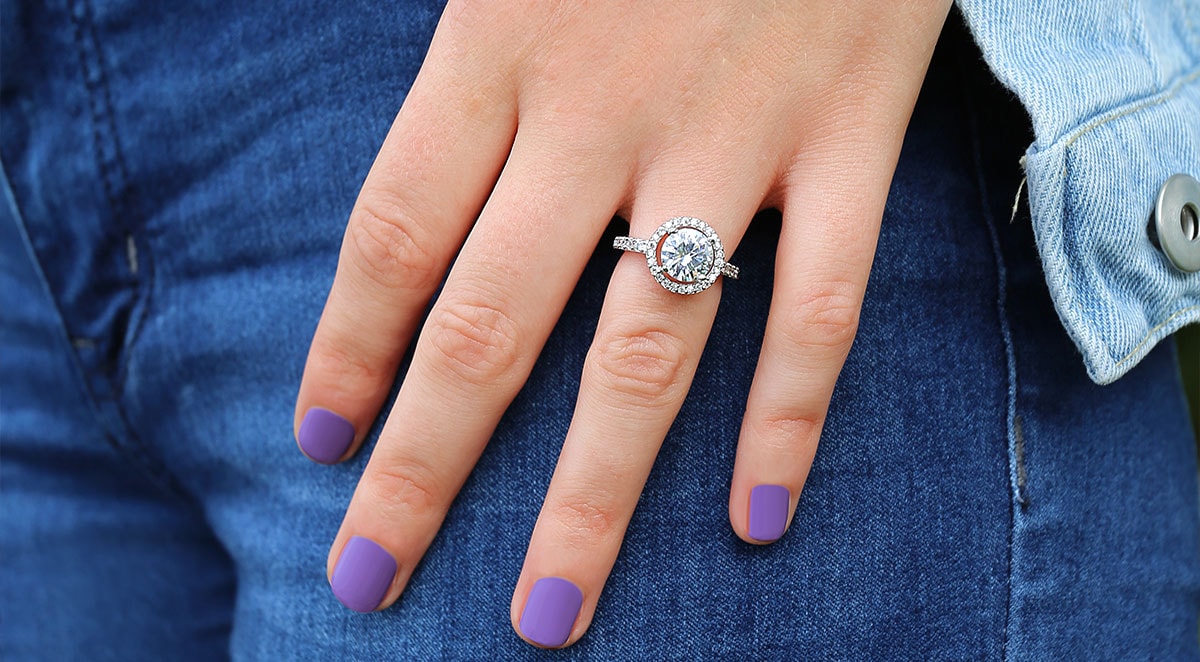
CVD diamonds are a remarkable blend of innovation and beauty, offering all the brilliance of natural diamonds with added ethical and environmental benefits. Whether you’re drawn to their stunning appearance, value, or sustainability, these lab-grown gems are a fantastic choice for anyone looking to add a little sparkle to their life.
And remember, if you have any questions or need help choosing the perfect diamond, don’t hesitate to contact Brilliance - we’re here to assist you every step of the way.