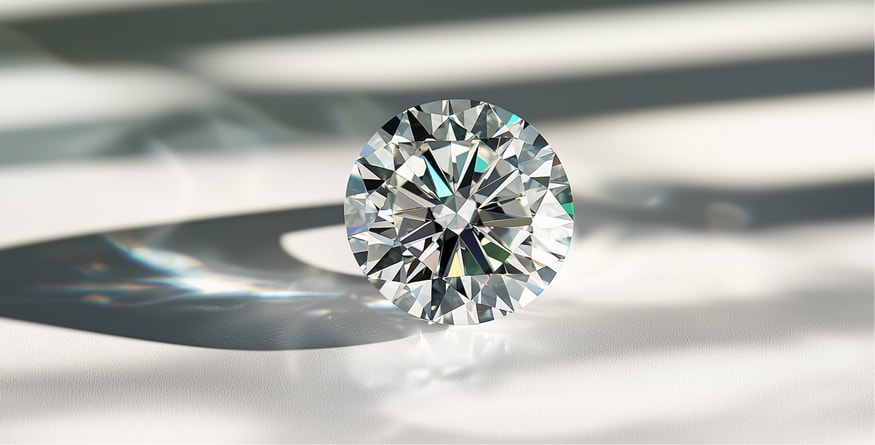
Simulated vs. Lab-Grown vs. Real Diamonds: Understand the Difference
When it comes to diamonds, the choices can feel overwhelming, especially with all the options out there. So, if you’ve ever wondered about the difference between simulated diamond vs a real diamond, or how lab-grown diamonds fit into the mix, you’re in the right place.
Today, we’ll explore the differences between all these kinds of diamonds, so buckle up cause there’s a lot to cover! Ready? Let’s dive right in!
What Is a Real Diamond?
Let’s start by diving into what makes a real diamond so special. These diamonds are naturally formed deep beneath the Earth’s surface over millions of years under conditions of extreme pressure and high temperatures. This intense process causes carbon atoms to bond together in a crystal structure, which is what gives diamonds their remarkable hardness and durability.
But what does this mean for you as a buyer? Well, a natural diamond is not only a symbol of beauty, but it’s also incredibly tough. This toughness is why real diamonds are the first choice for long-lasting jewelry like engagement rings and heirloom pieces that can be passed down through generations.

Here’s why real diamonds are considered the ultimate gem:
When you buy a real diamond, you're not just purchasing a beautiful gemstone; you're investing in something with emotional, cultural, and financial value. That’s why real diamonds continue to dominate the diamond industry as the classic choice for those seeking long-lasting, high-quality diamonds.
Simulated Diamond vs Real Diamond: The Key Differences
Now, let’s explore the differences between a simulated diamond vs a real diamond. At first glance, a simulated diamond might look similar to a real diamond, but when you dig deeper, the differences become clear.

A simulated diamond is a stone made to look like a diamond, but it lacks the same physical and chemical properties that make real diamonds unique.
Let’s break it down into some key points:
• Durability: A real diamond ranks a 10 on the Mohs hardness scale, meaning it is the hardest natural material on Earth. This makes it highly resistant to scratching and damage.
In contrast, simulated diamonds, like cubic zirconia, typically rank much lower on the scale, usually between 8-8.5. While this might seem close, it means a simulated diamond is much more likely to get scratched or lose its shine over time, especially if worn daily.
For instance, a cubic zirconia stone can become cloudy and lose its sparkle after a few months of wear, which is something to consider if you want a stone for everyday wear.
• Optical properties: Real diamonds have a distinct way of reflecting light, which gives them that brilliant sparkle, also known as "fire." This happens because of the way light enters and bounces around inside the diamond.
Simulated diamonds, while sparkly, don’t have the same depth of light reflection, which makes their brilliance less impressive when compared side-by-side with a real diamond. Over time, a simulated diamond may lose even more of its luster.
If you're looking for that unforgettable sparkle that catches everyone’s eye, a real diamond is the better choice.
• Value: One of the biggest differences between a simulated diamond vs real diamond is the price. Simulated diamonds, like cubic zirconia or moissanite, are much more affordable, which makes them a great choice for those on a budget. However, they don’t retain any long-term value.
In contrast, real diamonds tend to appreciate over time, especially when considering resale value or passing them down as heirlooms. While a simulated diamond might be an affordable option upfront, it’s important to remember that it won’t hold the same worth as a real diamond.
• Appearance over time: Real diamonds retain their beauty and brilliance for a lifetime, and with the right care, they’ll look just as stunning 50 years from now as they do the day you buy them.
Simulated diamonds, however, are more prone to wear and tear. Over time, they can become scratched or dull, especially if worn daily in rings or jewelry that’s exposed to friction.
Popular diamond simulants, like cubic zirconia or moissanite, may work well for costume jewelry or occasional wear, but if you're looking for a stone to last a lifetime, a real diamond is the best choice.
That’s why we offer an amazing selection of natural diamonds that are conflict-free and certified! You can take a look at our collection here and see why we’re the number one choice of many diamond lovers.
Lab-Grown Diamonds: The Middle Ground
If you're torn between the long-lasting appeal of a real diamond and the affordability of a simulated diamond, there's a third option: lab-grown diamonds. These diamonds strike a perfect balance by offering the same physical and chemical properties as real diamonds but at a more affordable price point.
Lab-grown diamonds are created in a laboratory using advanced technology that mimics the natural diamond-growing process. Instead of forming over millions of years deep in the Earth, these diamonds are grown in a controlled environment within just a few weeks.
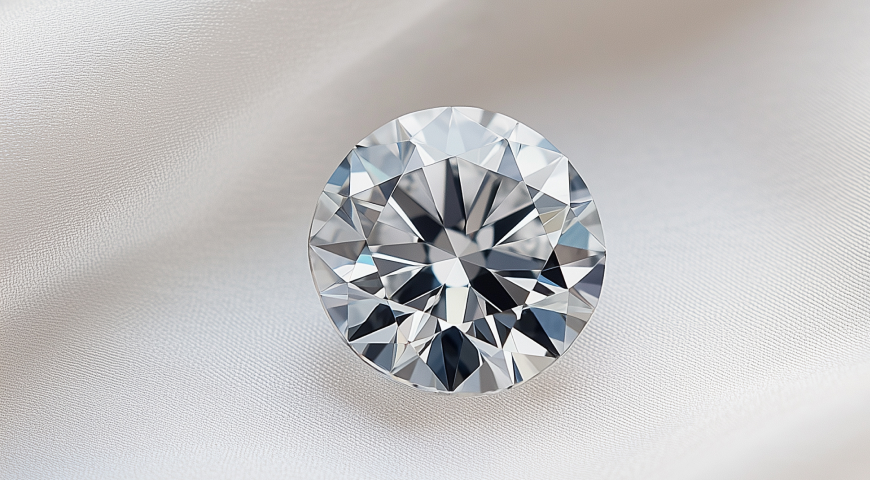
Here’s why lab-grown diamonds are such a popular choice today:
• Identical to real diamonds: Unlike simulated diamonds, lab-grown diamonds are chemically identical to natural diamonds. They share the same optical properties, meaning they sparkle and shine just like their natural counterparts. Both types are made of carbon atoms arranged in a crystal structure, giving them the same durability and brilliance.
• Ethical alternative: One of the biggest advantages of lab-grown diamonds is their status as an ethical alternative to mined diamonds. Because they are created in a lab, there’s no need for mining, which means less environmental impact and no concerns about conflict diamonds or unethical mining practices. For those who care about sustainability, lab-grown diamonds are a great way to enjoy a high-quality diamond while supporting environmentally-friendly practices. In the diamond industry, more consumers are opting for lab diamonds because of their positive environmental and ethical impact.
• Affordability without compromise: One of the biggest draws of lab-grown diamonds is their cost. They are generally more affordable than natural diamonds, but they don’t sacrifice quality or durability. You can get a larger, clearer stone for a lower price than you would with a mined diamond, making them a great option for engagement rings or special jewelry pieces.
Whether you're shopping for a timeless diamond or something more colorful and unique, lab-grown diamonds offer plenty of options. You can even find stunning colored diamonds in various hues, made possible by adding trace elements during the growth process.
Convinced? Explore our stunning collection of lab-created diamonds at Brilliance here. With a variety of options, we are sure you’ll find just what you’re looking for!
Popular Choices for Engagement Rings
All this talk wouldn’t make much sense unless we put it in an example. And what better example than the one that most people think of when we say “diamonds” - engagement rings!
Choosing the right stone for your engagement ring is one of the most exciting - and sometimes even overwhelming - decisions you’ll make. With options ranging from real diamonds to lab diamonds and simulated diamonds, the key is understanding what each option offers.
Since simulated diamonds are mostly used for engagement rings, it’s only fair to mention it.

Here’s a breakdown of what each type brings to the table:
• Real Diamonds: A real diamond is the traditional choice for engagement rings and remains the top pick for its durability, rarity, and long-term value. It’s a symbol of timeless love and commitment. Many couples love the idea of passing down a real diamond ring as a family heirloom, knowing that it will last for generations.
While real diamonds can be more expensive, they are considered an investment - both emotionally and financially. Plus, their unparalleled sparkle and unique features make them a perfect choice for those who want something that will never go out of style.
• Lab-Grown Diamonds: For those who want the look and feel of a real diamond but at a lower price point, lab diamonds are becoming increasingly popular. They offer the same sparkle, brilliance, and durability as a mined diamond but come with the added benefit of being more environmentally friendly.
With a lab-grown diamond, you’re not compromising on beauty - you’re just choosing a more affordable and ethical alternative. Lab diamonds are also perfect for couples who prioritize sustainability and want a sustainable choice for their engagement rings.
• Simulated Diamonds: If you’re looking for something more budget-friendly, simulated diamonds like cubic zirconia or moissanite can provide a beautiful look at a fraction of the cost. While they don’t last as long or have the same sparkle as a real or lab-grown diamond, they’re still a popular choice for couples who are focused on keeping costs low.
Keep in mind, though, that simulated diamonds may need to be replaced over time if they lose their shine or get damaged.
At Brilliance, we offer a wide range of engagement ring options, which you can see here. Whether you prefer the timeless appeal of a real diamond or the modern benefits of a lab-grown diamond, we are here to help you find the perfect stone for your special moment!
Which One Is Right for You?
When it comes to choosing between a simulated diamond, a real diamond, or even a lab-grown diamond, the decision ultimately comes down to your personal preferences, budget, and values. Each option has its own set of benefits, so it’s important to consider what matters most to you.
Let’s break it down:
Real Diamonds: The Timeless Classic
If you’re looking for something truly special, a real diamond is always a perfect choice. Its unmatched durability, natural beauty, and long-term value make it a popular option for those seeking something timeless and classic.
The natural formation process of real diamonds also adds a sense of uniqueness to each stone.
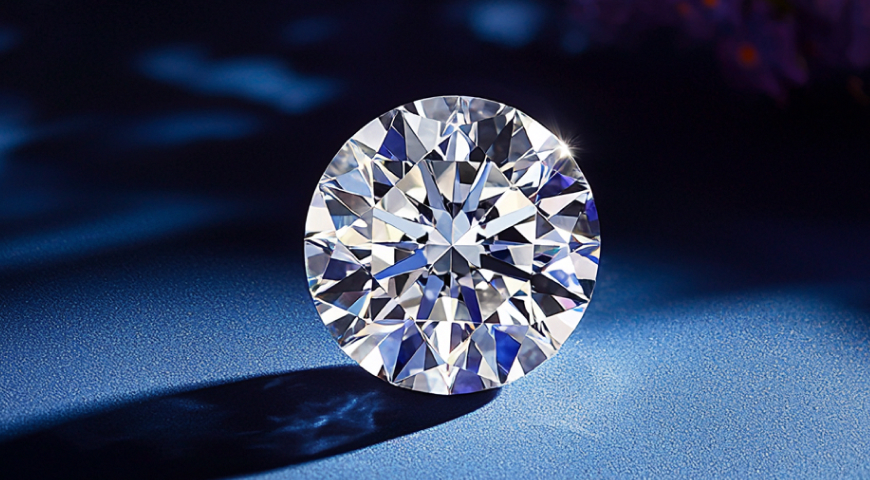
• Best for: People who want the traditional experience and are looking for a long-lasting, one-of-a-kind gem.
• Considerations: Real diamonds can be more expensive, but they’re a great investment for those looking for a diamond that holds its value over time.
Lab-Grown Diamonds: The Ethical and Affordable Alternative
For those who want the same look and feel of a real diamond but with a more modern, eco-friendly approach, lab-grown diamonds are a fantastic option. These diamonds have all the same optical properties and physical properties as natural diamonds but come at a lower price.
Additionally, they are considered a more ethical alternative because they don’t involve the environmental impact or ethical concerns of traditional mining.

• Best for: People who want the quality and beauty of a real diamond without the higher price tag, and who value sustainability and ethical sourcing.
• Considerations: Lab-grown diamonds are just as durable as natural ones but may not hold the same long-term value in the diamond market as natural diamonds.
Simulated Diamonds: The Budget-Friendly Option
Simulated diamonds, such as cubic zirconia, are an affordable option if you're looking for a diamond-like stone that doesn’t break the bank. While they won’t last as long or hold their value like a real diamond or lab-grown diamond, simulated diamonds can still offer a lovely sparkle at a fraction of the cost. This makes them great for temporary or costume jewelry.

• Best for: People who want the appearance of a diamond but are working with a tight budget.
• Considerations: Keep in mind that simulated diamonds are less durable and can scratch or lose their shine more quickly than real or lab-grown options. They also don’t hold any resale value.
Making the Final Decision
Now that you know the differences between a simulated diamond vs a real diamond and a lab-grown diamond, it’s time to think about which one suits your needs best. Are you looking for something timeless and rare, or do you want an affordable yet ethical choice? Or maybe you're okay with a temporary sparkle that fits a smaller budget?
Here’s a quick summary to help guide your decision:
• Real Diamonds: Timeless, unique, and highly durable; great for long-term value and family heirlooms.
• Lab-Grown Diamonds: Identical to real diamonds in every way, but more affordable and eco-friendly.
• Simulated Diamonds: Affordable with a nice shine, but less durable and without long-term value.
So, pick your choice, and we assure you - whatever you choose, you can’t make a mistake!
At Brilliance, we understand that choosing the perfect diamond is a big decision, and we’re here to help you every step of the way. Our collection includes stunning real diamonds, lab-grown diamonds, and a variety of popular diamond alternatives.
If you have any questions or need guidance, feel free to reach out to our expert team - we’re always happy to help you find the diamond that suits your style and budget! Contact us today!