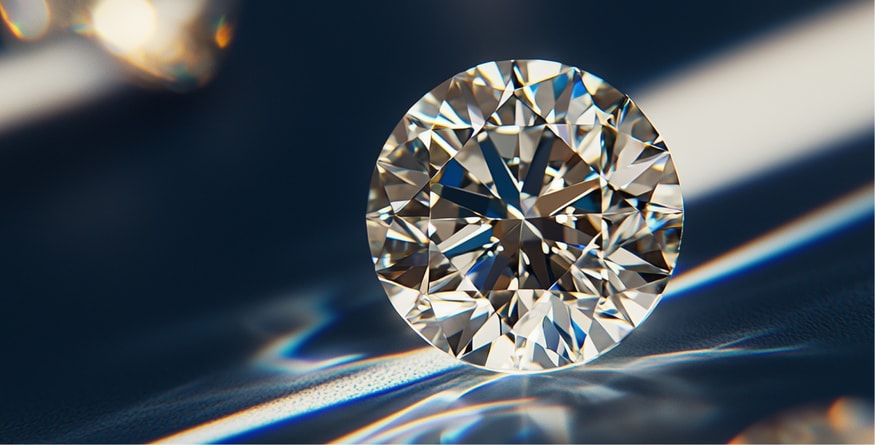
Ideal vs. Excellent Cut: Diamond Perfection
When it comes to diamonds, one of the most important factors in their brilliance, beauty, and overall appeal is the cut. If you're shopping for a diamond, you’ve likely come across the terms "ideal cut" and "excellent cut." They refer to specific diamond cut grades affecting a diamond's interaction with light, but what do they mean? And, more importantly, how do they impact the appearance and value of your diamond?
In this blog, we dive deep into the ideal vs. excellent cut debate, answering the most common questions. We’ll also explore how different cut grades affect the brilliance and overall quality of a diamond. Whether you're considering lab-grown diamonds or natural diamonds, understanding the differences between these diamond cut grades is essential for making the right choice.
What Does Diamond Cut Mean?
The terms “diamond shape” and “diamond cut” are often used interchangeably, but in technical terms, they actually refer to different aspects of a diamond. The diamond shape is officially referred to as cutting style, but most people just call them "cuts." It refers to the overall geometric form of the stone (round, oval, pear, princess, heart, etc.). The shape is primarily about the physical outline of the diamond when viewed from above (the diamond's face-up appearance).
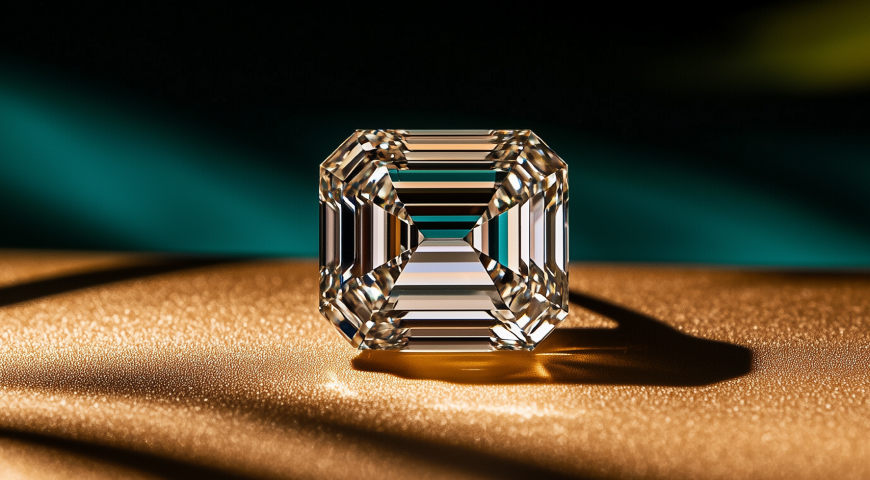
Diamond cut refers to how well a diamond interacts with light. This interaction is what gives a diamond its overall visual appeal. If we dive even deeper, it refers to how well the diamond facets are proportioned, polished, and aligned. All of this affects diamond sparkle, brilliance, fire, and scintillation. In the 4Cs of diamonds, Cut refers to how well the diamond has been cut and polished.
Both are crucial in determining a diamond’s beauty and value.
Diamond Cut Grades: What Are They?
When a diamond is cut within the optimal proportions—not too shallow or too deep—it will have exceptional light performance properties, maximizing brilliance and sparkle. Diamonds are graded on a cut grading scale ranging from poor to excellent by gemological institutes and authorities in diamond grading, like the AGS (American Gem Society), IGI (International Gemological Institute), and GIA (Gemological Institute of America).
Understanding this grading scale is key to identifying the best diamond for your needs. Diamond grading reports, which come with most certified diamonds, provide detailed information about the aspects of diamond quality, including its cut, clarity, color, and carat weight, helping buyers understand its overall value and characteristics.
Factors Influencing Cut Grades
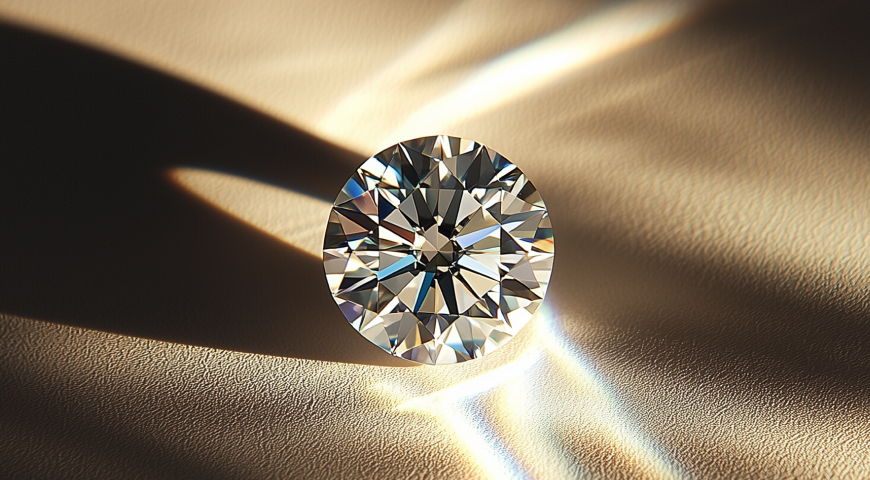
So, what makes for a perfect stone? The cut grade of a diamond is determined by evaluating several quality factors:
• Brightness: The amount of white light reflected from the diamond.
• Fire: The dispersion of light into various colors.
• Scintillation: The sparkle when the diamond is moved.
• Proportions: The angles and relative measurements of the diamond’s facets.
• Symmetry: The precision of the diamond’s cut.
• Polish: The smoothness of the diamond’s surface.
A well-cut diamond maximizes light return and enhances the stone’s natural beauty.

Diamond Cut Grading System
The GIA, a prominent authoritative body in diamond certification, gives 'Excellent' as the top cut grade for diamonds, while the IGI goes a step further by adding the 'Ideal' grade above 'Excellent,' marking the highest level of the cut quality. Here’s a detailed breakdown of all the diamond cut grades:
• Ideal Cut: A step above "excellent" in certain cases, an ideal cut diamond is crafted with perfect proportions for the ultimate balance of light reflection and brilliance. Its much-desired brightness is considered the pinnacle of beauty.
• Excellent Cut (EX): This grade represents the highest level of cut quality after ideal for diamonds, where the loose diamond reflects almost all the light that enters it, resulting in maximum brilliance, fire, and scintillation.
• Very Good (VG): These diamonds have excellent light performance but may have minor differences in proportions that slightly affect their brilliance, including slight light leakage.
• Good (G): Some light is reflected, but you will notice less sparkle compared to higher-grade diamonds.
• Fair (F): Diamonds with a Fair cut grade still have some light reflection, but their brilliance is noticeably reduced.
• Poor (P): Poor-cut diamonds reflect only a small amount of light and appear dull or lifeless.
The most common debate for diamond buyers is the ideal vs. excellent cut choice. Both grades are superior, but there are subtle differences that can affect your buying decision.
The Importance of Proportions in Diamond Cut
The precision of a diamond’s cut is measured in terms of its proportions, which directly impact its light performance. If the pavilion angle or crown angle is too steep or shallow, the diamond will lose light through the sides or bottom, resulting in light leakage and reduced sparkle.
The best diamonds are those with ideal proportions, including the perfect balance of pavilion depth, crown height, and overall symmetry. When a diamond is cut well, you’ll notice an incredible sparkle and degree of brilliance that makes it stand out.

Crucial Factors that Impact Proportions
• Crown facets and their angle
• Pavilion facets and depth
• Overall symmetry and polish
The goal is to achieve the optimal proportions for a balanced appearance - the best optical performance and aesthetic appeal.
Girdle Thickness and Culet Size
The girdle and culet might not be the first things you think of when choosing a diamond, but they actually play a role in how a diamond looks and holds up over time. The girdle is the thin edge around a diamond that separates the crown (top part) from the pavilion (bottom part) of a diamond. Its thickness can vary and is usually described as “Very Thin,” “Thin,” “Medium,” “Thick,” and "Very Thick."
The diamond culet is the tiny flat facet at the very bottom of a diamond’s pavilion, often described in terms like “None,” “Very Small,” “Small,” “Medium,” “Large,” etc. Both play a role in a diamond's overall appearance. For example, a thicker girdle plane can add extra weight, which you don’t really want, but a girdle that's too thin can make the diamond more likely to chip – especially when it's being set or worn every day.
A large culet might be visible through the table (top facet) of the diamond, appearing as a dark spot or letting light escape, affecting light refraction. When these elements are well-proportioned, they help create a perfect balance of depth, contributing to the diamond’s brilliance and sparkle.
What’s the Difference Between Ideal vs. Excellent Cut?
So, what sets an ideal cut diamond apart from an excellent cut diamond? The subtle differences between an ideal cut diamond vs. an excellent cut diamond come down to the precision of the diamond cut proportions and how well it reflects light. Both are considered quality diamonds, but ideal-cut diamonds are crafted to even more precise standards according to diamond-cut grading criteria, often resulting in slightly more brilliance and light reflection.

Ideal Cut Proportions
The ideal cut offers precise cutting, perfect polish, and impeccable symmetry, resulting in a perfect balance of brightness, fire, and scintillation. These diamonds are cut to exact, optimal proportions and typically deliver ultimate brilliance.
• Table Size: 53% - 58% of the diamond’s diameter
• Depth: 59% - 62.6%
• Crown Angle: 34.3° - 35°
• Pavilion Angle: 40.6° - 41°
• Girdle Thickness: Thin to slightly thick
• Culet: None or very small
Excellent Cut Proportions
Excellent cut also delivers stunning brilliance but allows for slight variations in proportions. These variations are often so minimal that only trained diamond connoisseurs can detect them.
• Table Size: 52% - 62%
• Depth: 58% - 63%
• Crown Angle: 31.5° - 36.5°
• Pavilion Angle: 40.6° - 41.8°
• Girdle Thickness: Very thin to slightly thick
• Culet: None to small
Both cuts will provide an exceptional sparkle, but the ideal cut is often considered the perfect centerpiece diamond for those seeking maximum brilliance.
So, Is Ideal or Excellent Cut Diamond Better?
Choosing between an ideal cut diamond vs. excellent cut diamond can be tough because both options deliver a high level of quality and beauty. However, diamond buyers should consider a few things:
• Light Performance: If you want the absolute best in terms of light performance and sparkle, an ideal cut diamond might be the way to go.
• Cost: Excellent cut diamonds can offer a slightly more affordable option while still delivering nearly the same levels of brilliance at a more accessible price.
• Purpose: If you’re choosing a diamond for a sentimental piece like an engagement ring, you might want to splurge on the ideal cut for its perfect proportions and exceptional sparkle.
Are Super Ideal Cut Diamonds Worth It?
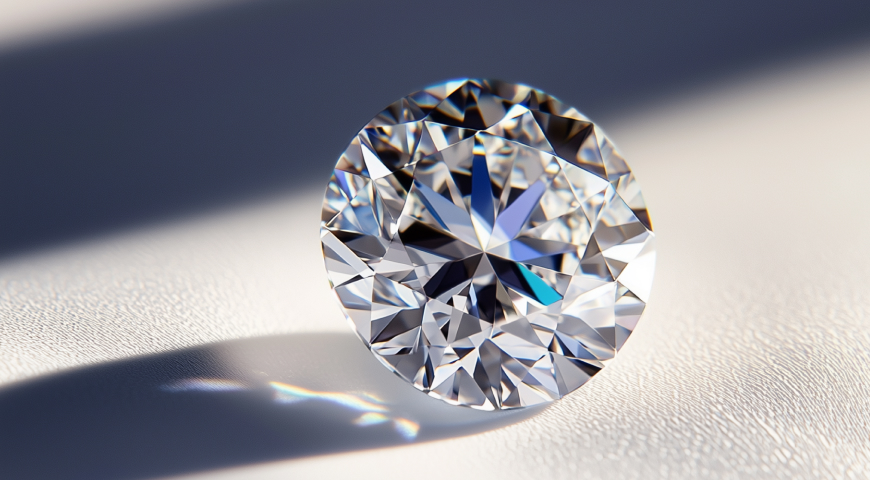
Now, let’s take things a step further. You may have heard of super ideal cut diamonds. These are diamonds that exceed the standard "ideal" or "excellent" proportions, offering a level of precision that some may argue is close to perfection. But are they worth the extra cost?
For those who value every last bit of brilliance and light reflection in precious stones, super ideal cut diamonds can indeed be worth the investment. However, for most buyers, the difference between an ideal cut and a super ideal cut is negligible in everyday life, yet the latter come with hefty price tags. It really comes down to personal preference and whether you can visually appreciate the difference.
Which Diamond Cut Is More Expensive?
When it comes to ideal vs. excellent cut diamond cost, ideal cut diamonds tend to be slightly more expensive than excellent cut diamonds. This is due to the additional precision required to achieve ideal proportions, which results in higher labor and craftsmanship costs for diamond cutters.
That said, the price difference isn’t always significant. Factors like carat weight, clarity grade, and diamond color also play a big role in the final price. If you’re looking for the best value, an excellent diamond cut can provide a stunning diamond at an affordable price.
Lab Diamonds vs. Natural Diamonds
One thing to keep in mind is that both lab-grown diamonds and natural diamonds can be cut to an excellent cut grade or ideal cut. The process of cutting a diamond to achieve its best light reflection is the same, whether it's a genuine diamond or a lab diamond. So, if you’re looking for a more affordable option, a well-cut, ideal-cut lab diamond can deliver the same outstanding brilliance as a natural one.

Ideal vs. Excellent Cut Diamonds: Making the Right Choice
Choosing between ideal vs. excellent cut diamonds can be tricky, but understanding the differences between diamond cut grades helps you make an informed decision. If you prioritize maximum brilliance and don’t mind a slight increase in cost, the ideal cut is “the one.” On the other hand, an excellent diamond cut offers an amazing balance of quality and value, with slight variations that are often indistinguishable to the naked eye.
Whichever you ultimately go for, remember that a well-cut diamond—whether lab-grown or natural—will deliver the exceptional sparkle and level of beauty that makes diamonds such a timeless symbol. At Brilliance, you can shop for a range of diamond cuts, colors, shapes, and more. From round to oval diamonds, ideal to excellent cut diamonds, the options are endless. And the choice? All yours.