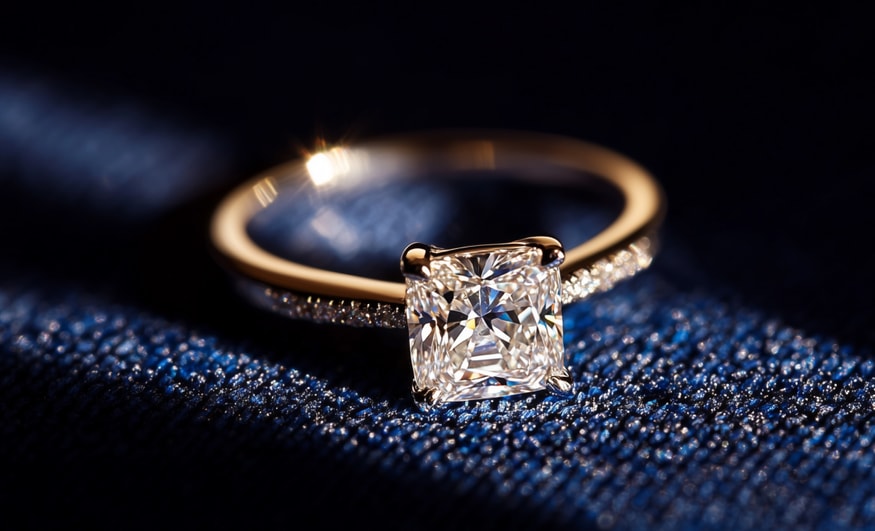
Cleaning Your Jewelry
Is your gold losing its luster? Are your diamonds not sparkling as they should? Everyday activities, from applying lotions to using household cleaners, can dull your precious jewelry. Storing them improperly and regular wear also contribute to this lack of shine. But fear not, with the right jewelry cleaning techniques, you can easily maintain the beauty of your pieces.
We tested a slew of expert-endorsed jewelry care techniques—along with a few popular DIYs—to discover what really works. Whether you’re looking to preserve a family heirloom, or diamond engagement ring or just polish up your everyday favorites, we have tips on how to clean, store, and maintain your jewelry so that it shines for years to come.
Simple & Effective Jewelry Cleaning Methods
Dish Soap & Warm Water
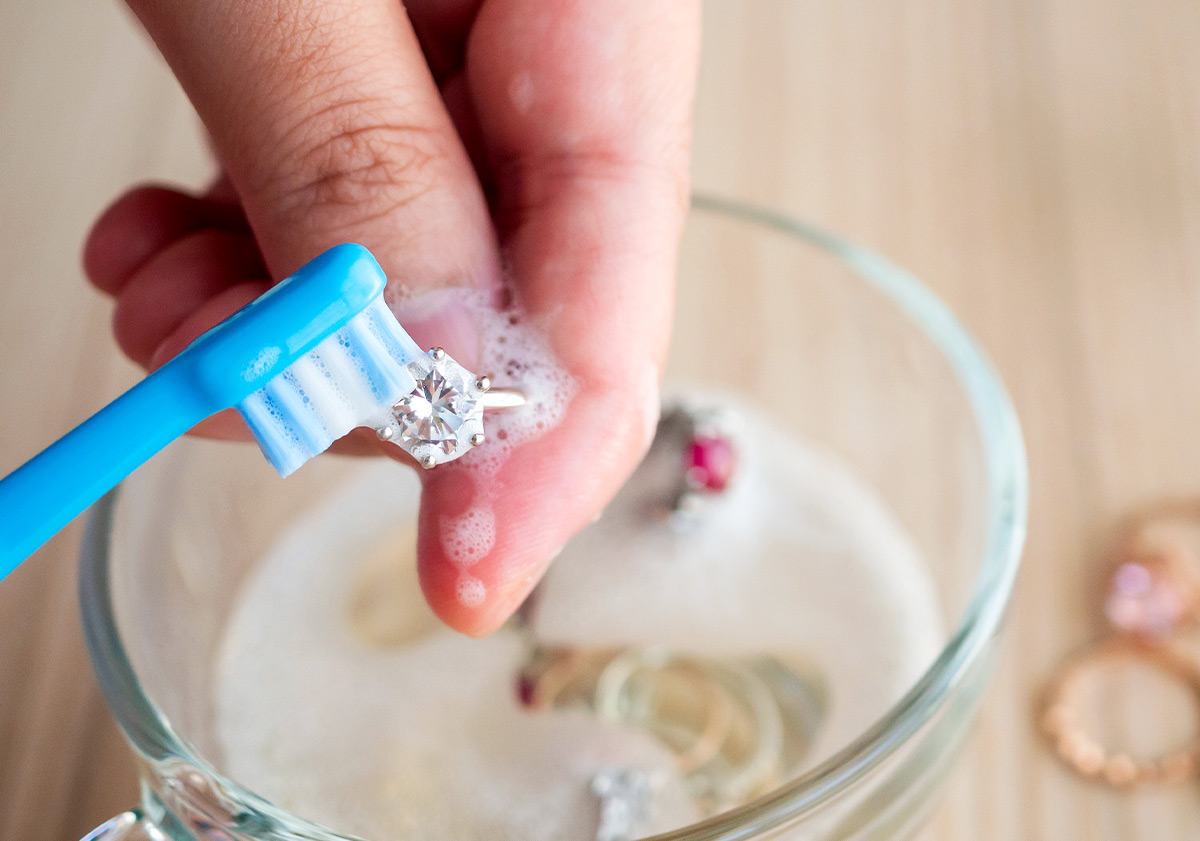
Nearly all types of jewelry can be safely cleaned using a mixture of mild dish soap and lukewarm water.
We recommend mixing one drop of dish soap with warm water in a bowl, then allowing your jewelry to sit in the mixture for several minutes to cut through oils and grime. Follow up with a gentle scrub using a soft-bristle toothbrush. If you’re cleaning a stone in a pronged setting, make sure to scrub the gem from each side, working the flexible bristles into all the crevices where enemies of sparkle tend to collect. Rinse, then dry with a lint-free cloth. Avoid using tissues or paper towels as they can leave lint or scratches.
Gold Plated Pieces
For Gold Plated and Vermeil Pieces use a nonabrasive cellulose sponge instead of a toothbrush. Excessive scrubbing can wear down the plating.
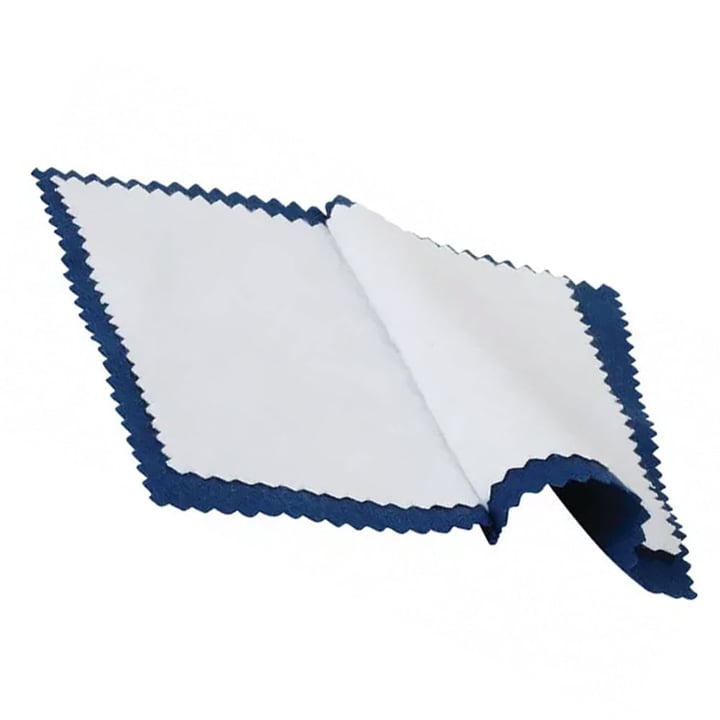
Dealing with Tarnished Silver and Brass: If your silver or brass jewelry is heavily tarnished, dish soap might not suffice. Polishing cloths designed for sterling silver and brass can effectively buff away tarnish.
Solid gold is usually stamped with its karat value, while vermeil will have a sterling silver stamp.
DIY Cleaners
While unconventional, ketchup's mild acidity can effectively remove tarnish from brass jewelry. For a DIY approach, immerse the jewelry in ketchup, leave it for up to an hour, then rinse and dry. Toothpaste, known for its abrasive properties, can also be used cautiously to clean silver jewelry.
With toothpaste, you risk scratching if you’re not careful. Choose a low-abrasion, solid-color toothpaste with no extra whitening or tartar-control agents. Rinse in water, spread a thin layer over its surface, gently rubbing it in with a cellulose sponge or microfiber cloth. Let it sit for a few minutes, then thoroughly rinse away the toothpaste and polish it with a clean cloth.
Professional Cleaning Kits
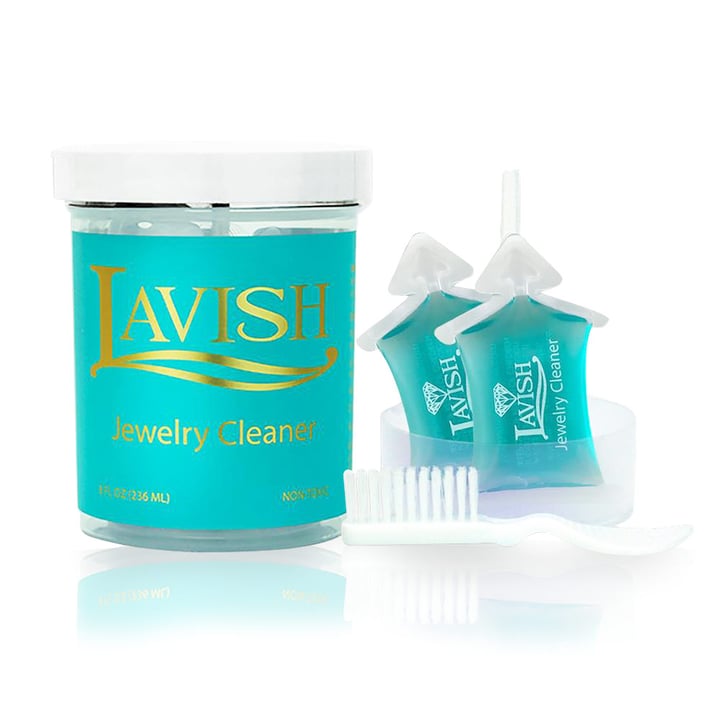
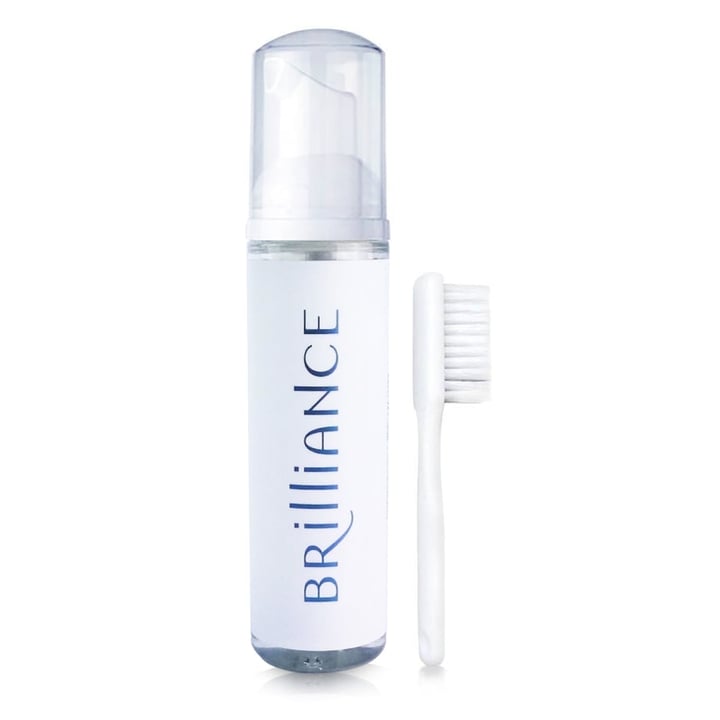
For deeper cleaning, professional cleaning kits are an excellent choice. These kits often come with specially formulated solutions, brushes, and cloths, suitable for a variety of jewelry types. Our cleaning kit, for example, is designed for comprehensive care. It includes an effective cleaning solution, a delicate brush for detailed work, and a microfiber cloth for polishing.
Ideal for a range of jewelry, from delicate to sturdy, this kit offers an efficient way to maintain the luster and longevity of your pieces at home. Professional kits like ours provide the right tools to ensure the safe and thorough care of your cherished jewelry.
Pearl Care
Buff pearls gently with a soft, damp cloth, avoiding the use of chemicals. Pearls, being delicate and porous, are susceptible to damage such as peeling and chipping. Clean carefully, ideally with a microfiber cloth and a minimal amount of water. It's crucial to avoid chemical cleaners like chlorine, ammonia, hydrogen peroxide, and acetic acid, which are found in vinegar and ketchup. Also, avoid submerging pearls in water, as this could damage the silk thread they are often strung on.
Pearls are also sensitive to chemicals in perfumes and cosmetics. They should be the last item you put on before going out and the first you take off before getting ready for bed.
Store Your Jewelry the Right Way
Avoid Direct Sunlight
Just as the sun's rays can harm our skin, they can also damage gemstones. Some stones, including amethyst, are particularly light-sensitive and may lose their vibrant color if exposed to prolonged UV radiation. Stones that have undergone treatments or dyeing processes are also prone to fading in sunlight. The heat from the sun can impact gemstones as well; for example, opals can suffer from a phenomenon known as crazing when exposed to high temperatures, leading to potential cracking or shattering.
Mind the Moisture
Different materials have specific needs regarding humidity. Sterling silver, for instance, tarnishes faster in humid environments. To combat this, it's suggested to store silver jewelry in a plastic bag with charcoal or silica packets to absorb excess moisture when not in use. Conversely, pearls and opals require a certain level of moisture to maintain their condition. Storing them in overly dry places, such as a safety deposit box, can lead to drying out and cracking.
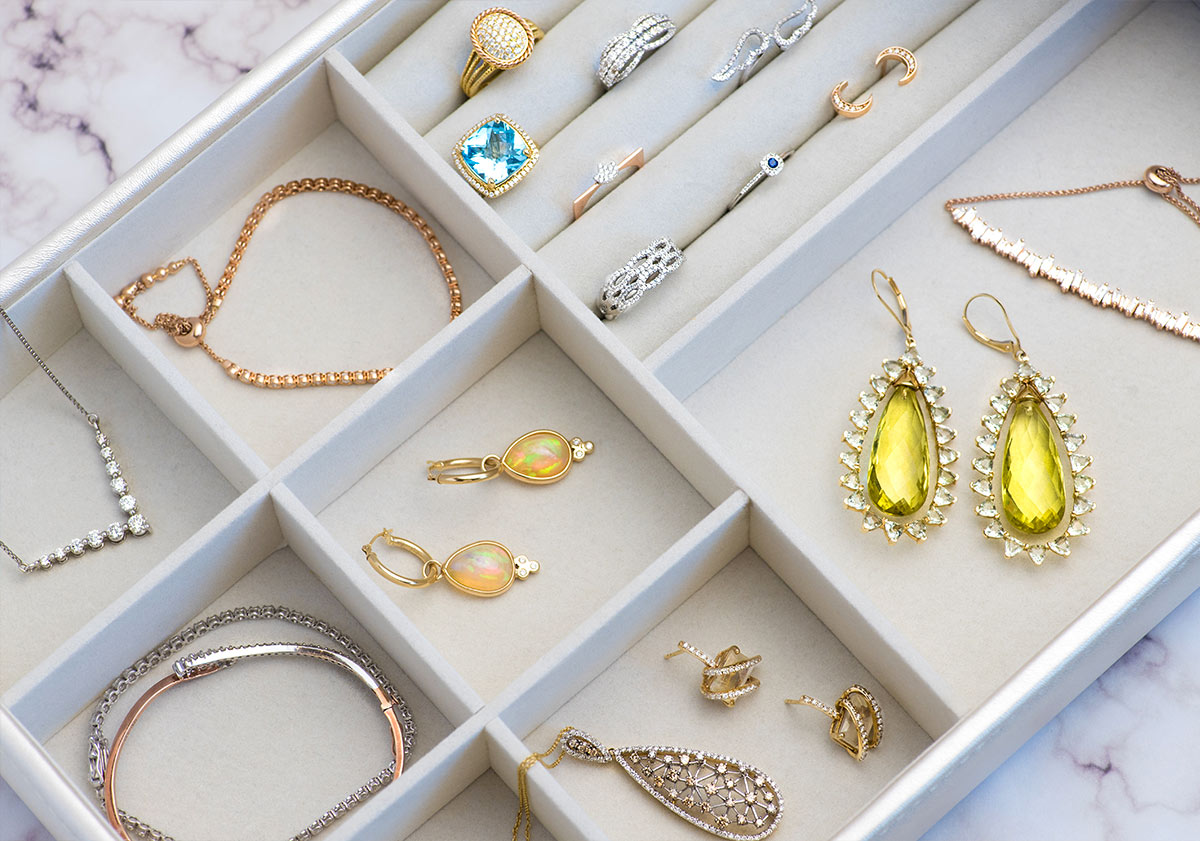
Store Pieces Separately
To prevent scratches and dings, it's advisable to store jewelry individually in clear plastic bags. This practice is particularly crucial for items made from softer materials such as sterling silver, opal, lapis, and pearls. Pearls should not be stored hanging alongside other necklaces, as they might swing and collide with each other. Instead, it's better to coil them in a snake-like formation and lay them flat to ensure their safety and preservation.
Prevent Tangling
A common issue often encountered is the tangling of necklace chains. To prevent this, a professional tip is to use small jewelry zip bags or even a regular sandwich bag. Store the necklace by clasping the top and leaving it sticking out of the ziplock. This technique ensures that the top part of the chain doesn't get entangled with the rest, which is a typical cause of knots.
When To See a Jewelry Pro
Check Prongs Annually
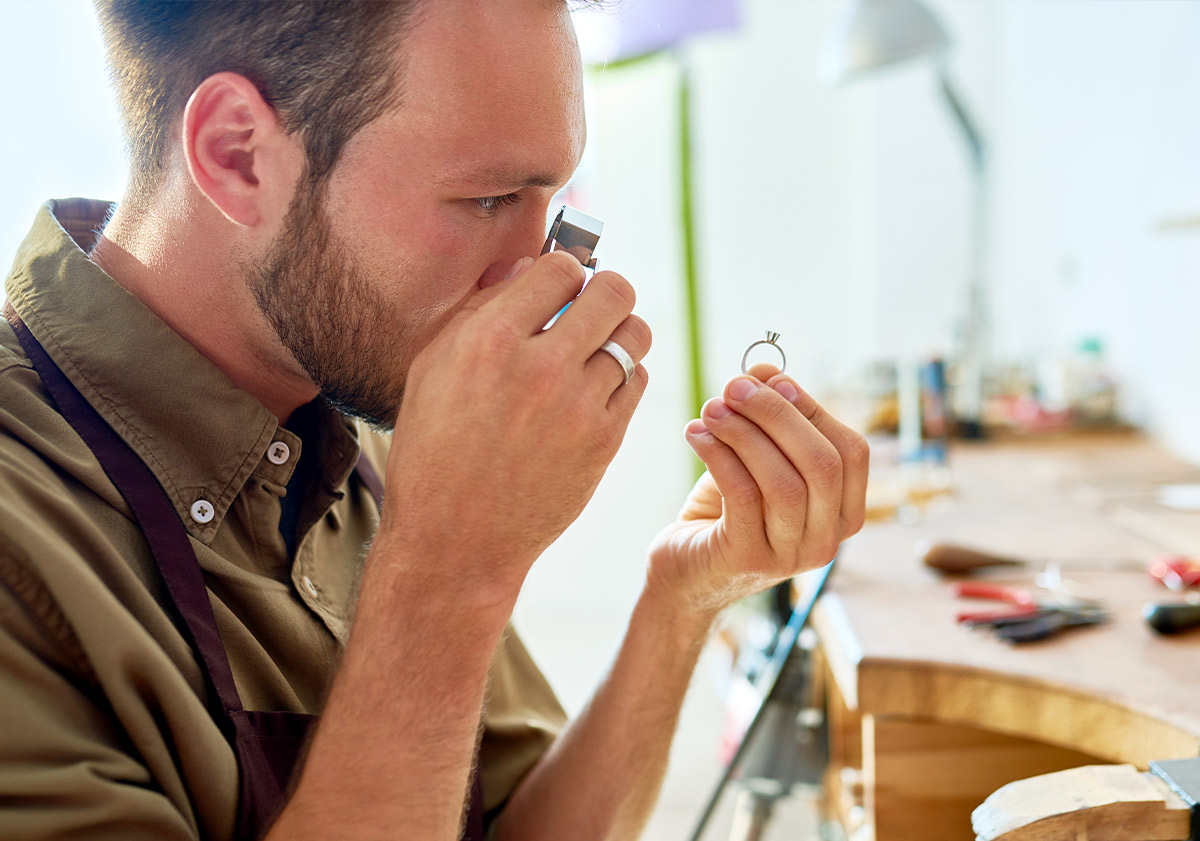
Prongs wear over time, and if they get too loose, you risk a runaway stone. It’s recommended to schedule an annual checkup for your engagement ring or other statement stones with a reputable jeweler.
Deep Clean Gems
If you want your rocks to really dazzle, take them in for a professional ultrasonic cleaning (your annual prong-check is a good opportunity to do this). An ultrasonic cleaner vibrates gems down to their molecular structure to achieve that extra brilliance.
Restring Pearls
Occasionally, pearls that are strung together require professional restringing. Over time, the string can stretch, resulting in a noticeable increase in the length of the pearl strand. Additionally, signs of wear, such as fraying knots, can become evident, indicating the need for maintenance.
Broken Jewelry
Avoid trying to fix jewelry issues on your own. It's recommended to take it to a professional instead. Attempting to bend the metal or make adjustments by hand can create weak points, leading to more significant damage.