What Are Lab Grown Diamonds
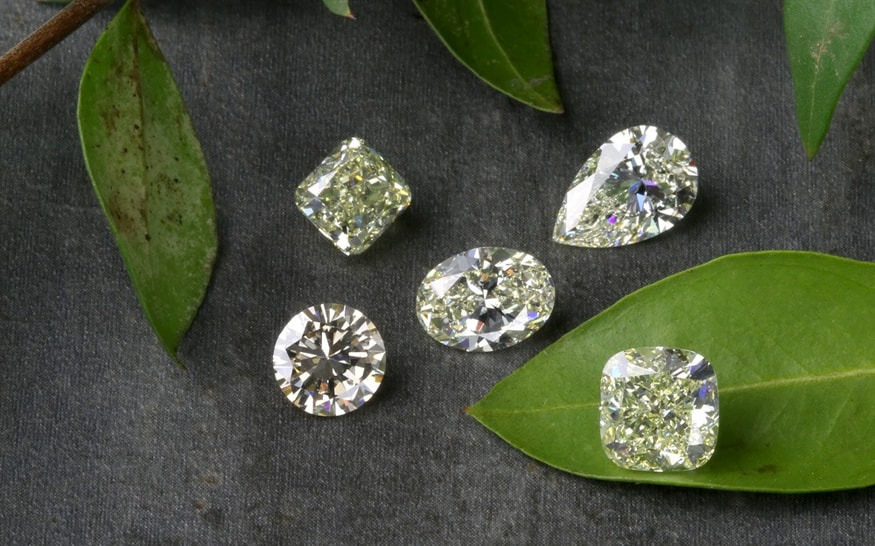
Lab Grown Diamonds (commonly referred to as synthetic diamonds or man-made diamonds) are diamonds that mimic/are identical to natural diamonds in look and structure but are created in a laboratory using either a chemical or pressure process.
Why Buy a Lab-Grown Diamond
Lab-grown diamonds have been gaining popularity in recent years due to their outstanding beauty and identical make-up to natural diamonds. When considering their options for an engagement ring, clients often ask: What is a lab grown diamond? How do they compare to natural diamonds?
Keep reading this comprehensive guide to learn everything you need to know about lab-grown diamonds and why you should consider them for your next jewelry purchase.

How Lab Diamonds Are Created
Lab-grown diamonds are created with high-pressure synthesis processes using machines that utilize extreme pressure and heat to mimic the Earth’s mantle.
There are two ways to create a lab diamond, the High-Pressure High-Temperature (HPHT) system and Chemical Vapor Disposition (CVD). Both of these processes start with a ‘seed diamond’ (a diamond fragment).
Lab-Grown vs. Natural Diamonds
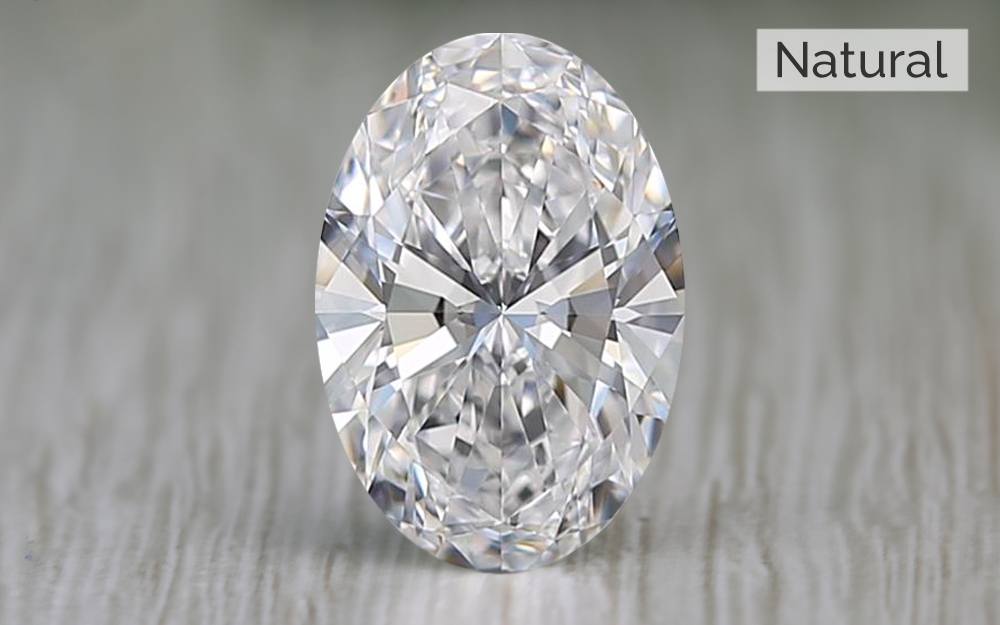
Lab-grown and natural diamonds are physically and optically the same. The main difference is that natural diamonds do contain trace amounts of nitrogen or sometimes boron. This can lead to natural diamonds having a yellow or blue tinge, depending on the substance. Natural diamonds can also contain microscopic particles of foreign materials that were trapped within the diamond millions of years ago.
The final difference between natural diamonds vs. lab-grown diamonds is their growth morphology. The laboratory conditions influence the shape of the diamond crystal in lab-grown diamonds.

Are Lab Diamonds More Expensive?
Lab-grown diamonds are not more expensive than natural diamonds. In fact, they can be up to 80% cheaper than natural, mined diamonds!
Lab-grown diamonds look exactly the same as a natural diamond, but for a much more affordable price. If you are after a larger diamond for your engagement ring, then you may want to consider a lab-grown diamond, as you will get a lot more value for your money. A 3 carat, round-cut natural diamond would cost from $40,000 whereas the price of a lab-grown diamond of similar size and quality would start at $4,000.
Are Lab Diamonds More Ethical?
In general, lab-grown diamonds are a more ethical choice compared to natural diamonds as mining is not needed to produce them. Manufactured diamonds don’t cause the same level of environmental damage as mining, which requires the removal of earth and consumes water and fossil fuels. They also don’t have the same high human cost and ethical implications involved in the extraction of natural diamonds.
However, it is possible to purchase natural conflict-free diamonds, but only from the most trusted jewelers. Brilliance has a wide range of conflict-free diamonds. We work with the most reputable and regulated diamond suppliers, with a zero-tolerance policy against conflict diamonds.
Benefits of Lab-Grown Diamonds
Certified Lab-Grown Diamonds
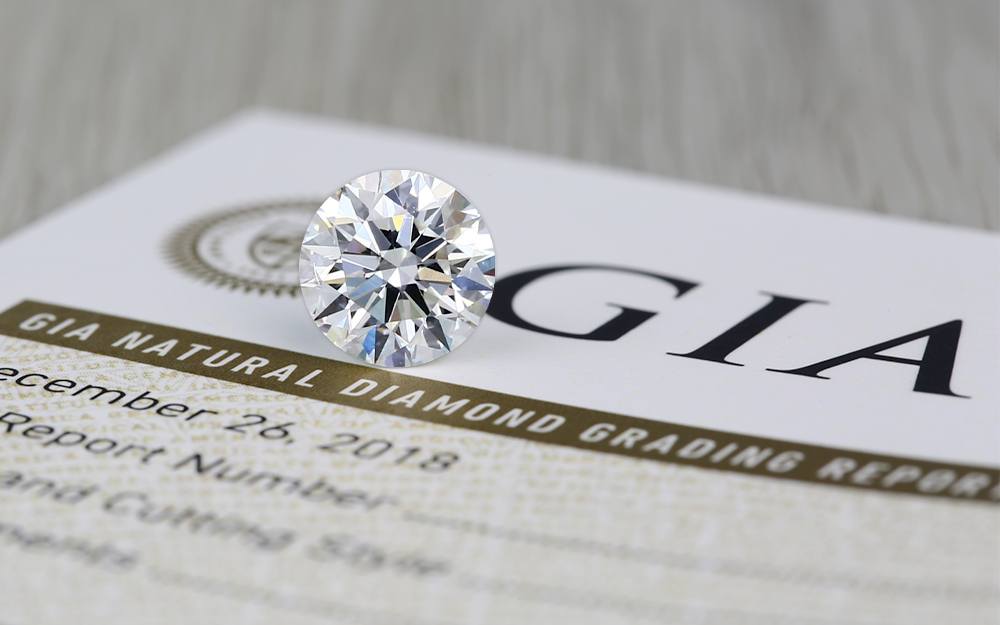
After a diamond is cut, whether natural or lab grown, it must be sent to a gemological laboratory in order to become a certified diamond. It is important to note that not all diamonds are certified, and purchasing a certified diamond is the best way to ensure your diamond’s quality.
Most lab grown diamonds available on the market today are certified by IGI or GIA and are graded for cut, clarity, carat weight and more, just like natural diamonds.
Can You Tell a Diamond Is Lab-Grown?
No. Even to the trained eye, it is impossible to distinguish between a lab-grown diamond and a natural diamond. In order to determine whether a diamond is man-made or naturally mined, expensive testing equipment and trained gemologists are required. This is because synthetic and natural diamonds are both chemically, physically and optically identical.
The most reliable detection method for diamonds is called Photoluminescence Spectroscopy. This method deep-freezes diamonds to -320°F (-196°C) using sophisticated technology that costs over $10,000.