What Hand Does a Wedding Ring Go On?
If there’s one question we often get, it’s this: What hand does a wedding ring go on? This simple question has a surprisingly rich history, tied up in cultural norms, ancient times, and personal choices. You may have noticed married couples wearing their rings on different hands or fingers - it’s not a random choice but a meaningful tradition that varies around the world.
So, let’s dive into the origins and traditions behind wedding ring placement, why the left ring finger is so popular in many Western cultures, and how other cultural and religious beliefs play a role!
Why Does Wedding Ring Placement Matter?
Wedding rings have been a part of marriage ceremonies for thousands of years, symbolizing love, commitment, and the marital bond between two people. The tradition of wearing a wedding ring on a specific hand or finger is thought to have begun in ancient times. For many, this is more than a piece of jewelry; it’s a symbol of a relationship that is built to last. It’s not about the shiny stores or a big diamond or which metal the ring is made of - yellow gold, platinum, or silver - it’s about a message, a powerful representation of unity.
In Western cultures, wedding rings are most often worn on the left hand, but unique customs around the world shape how and why couples choose a particular wedding ring hand.
Some choose their ring hand based on cultural norms or religious beliefs, while others make their choice as a way of honoring family tradition. Today, some people wear their rings on the left hand, while others wear them on the right for reasons of tradition, practicality, or simply personal meaning.
These small details in wedding ring placement – which hand, which finger – may seem simple, but they represent something much larger: the shared commitment, love, and story of two people.
Wedding Rings vs. Engagement Rings: Which Goes Where?
Both wedding rings and engagement rings represent love and commitment, but each one has its special role in wedding traditions. Knowing the difference can also help answer a common question: What hand does a wedding ring go on, and how does it go with an engagement ring?
So, here’s the key:
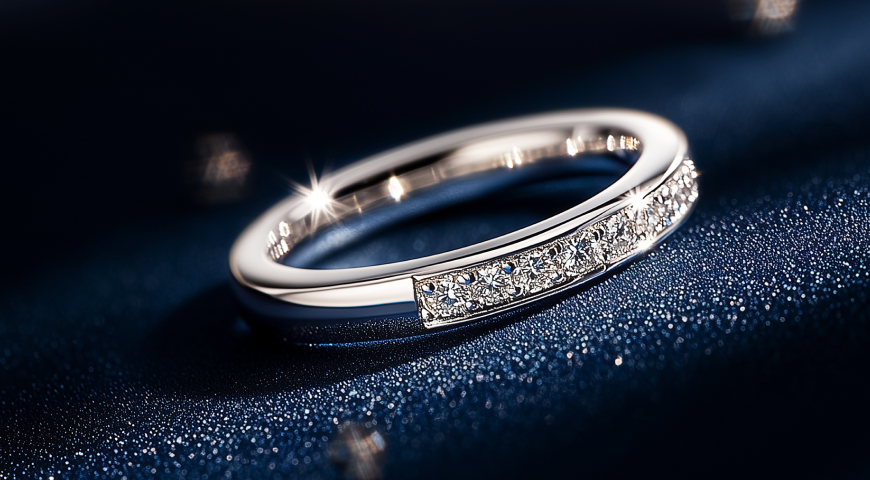
• Engagement Rings: Engagement rings are usually given at the proposal and symbolize the promise to marry. In Western cultures, they’re traditionally worn on the left ring finger. These rings often feature a gemstone, like a diamond, representing purity and strength. The engagement ring is worn before the wedding, and many people continue to wear it afterward, pairing it with the wedding ring.
• Wedding Rings (or Wedding Bands): Wedding rings are exchanged during the wedding ceremony to symbolize the official commitment and vows. After the ceremony, the wedding ring is often worn on the same finger as the engagement ring, with the wedding band closest to the heart. In some cultures, people wear the wedding ring on the right hand, especially in countries where the right hand is the traditional wedding ring hand.
In areas where traditions vary, people may wear both rings on one finger or split them between hands, mixing personal choice with culture. So, while these rings symbolize similar ideas, they’re usually worn differently to mark each stage of the commitment.
And if you’re on the hunt for an engagement ring that perfectly captures your love, take a look at our stunning collection at Brilliance. We offer everything from timeless diamonds to unique, custom designs made just for you! So browse our engagement ring collection and let us help you find the piece that marks the start of your beautiful journey together.
The Tradition of Wearing a Wedding Ring on the Left Hand
One of the most well-known wedding ring traditions is to wear it on the left ring finger. In Western cultures, this practice goes back thousands of years! Actually, every tradition connected to weddings is deeply rooted in history.
It’s believed that it started with Ancient Romans, who believed in something called the vena amoris, or "vein of love," which they thought ran straight from the fourth finger of the left hand to the heart. Though we now know there isn’t a special vein connecting this finger to the heart, the idea was so touching that it became a tradition.
Over time, wearing a wedding ring on the left hand became a strong symbol of love, loyalty, and commitment, especially in Western countries. That’s one of the reasons why it’s popular for engagement rings to be on that finger, too.
For many couples, putting a wedding ring on the left ring finger is like placing a tiny symbol of their heart on their hand. This tradition spread throughout Europe and later made its way to the United States.
Today, many people in these places wear their rings on the left hand, usually on the left ring finger, stacked on their engagement ring. When someone sees a ring on that finger, they often assume the person is married or engaged, showing how deeply this tradition is ingrained.
However, even within Western cultures, there’s flexibility! Some people choose other hands or fingers based on personal reasons, making the ring placement meaningful to them. So, while the left ring finger is common, it’s ultimately about what feels right for each person.
Why Some Cultures and Religions Choose the Right Hand
Outside of Western cultures, it’s common in many places to wear wedding rings on the right hand. This choice is just as meaningful and often ties back to local beliefs or religious traditions.
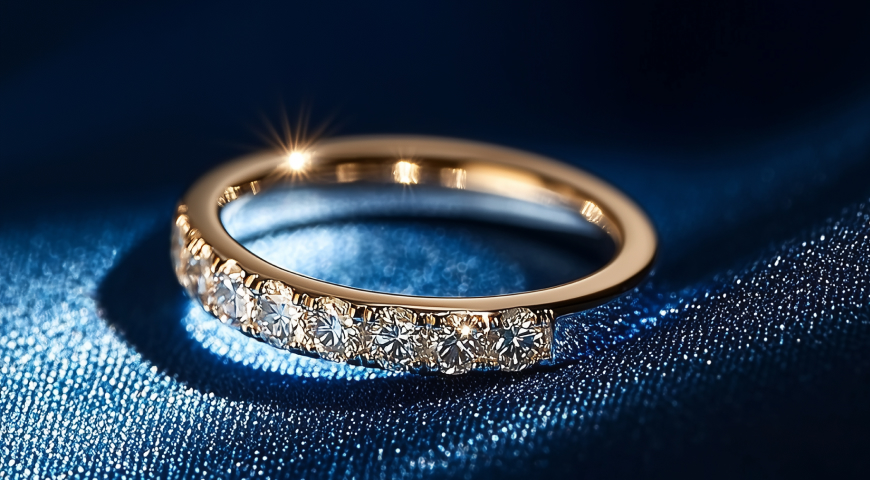
Here’s a look at some areas and groups that prefer the right hand for wedding rings:
• Eastern Orthodox Traditions: In Eastern Orthodox communities, like those in Greece, Russia, Serbia, and other parts of Eastern Europe, the wedding ring is tied to the right hand. In these traditions, the right hand is seen as a symbol of strength, honor, and trust. During the wedding ceremony, the bride and groom exchange rings and place them in each other’s right hands to show their loyalty to one another.
• Jewish Traditions: Some Jewish wedding ceremonies start with the ring on the bride’s right index finger. After the ceremony, it may be moved to the left ring finger, or it might stay on the right. This custom varies among Jewish communities, but it’s a meaningful way to honor the wedding ring tradition in Jewish culture.
• Countries in Europe and South America: In places like Germany, Poland, and Spain, it’s common to wear wedding rings on the right hand. The same goes for countries in South America, like Brazil and Argentina, where wearing the ring on the right hand aligns with cultural values and norms.
Even though these traditions differ from the left-hand placement seen in Western cultures, they all serve the same purpose: to show love and commitment. Each culture has its special take on this tradition, adding a unique layer of meaning to the practice of wearing a wedding ring.

When it comes to wedding bands, Brilliance has you covered with a range of styles to fit any taste! From classic gold bands to modern designs with diamond accents, our collection is crafted to celebrate your commitment. Explore our wedding bands, and let us be part of creating the ring that will stay with you for a lifetime.
Same-Sex Marriages and Modern Choices
With the recognition of same-sex marriages in many countries, there are more options for wedding ring placement than ever before. Since there isn’t always a set tradition for same-sex couples, wedding ring placement often becomes a matter of personal choice. Some couples may follow Western customs and wear their rings on the left hand, while others choose the right hand to add a unique touch.
For many same-sex couples, this choice not only reflects their commitment to one another but also celebrates their unique love story. Choosing a ring finger that feels right to them lets same-sex couples blend tradition with individual expression, creating a ring placement that’s meaningful in their way. This flexibility allows couples to create their own traditions, showing that love and commitment are about what feels best for them, not necessarily about following a set rule.
Practical Reasons for Choosing One Hand Over the Other
Besides cultural and symbolic reasons, there are also practical factors that can affect which hand you choose for your wedding ring. Depending on your lifestyle, job, or daily activities, one hand might simply feel better for wearing a wedding ring, especially if you’re active or work with your hands a lot.

If you’re right-handed, wearing a ring on your left hand can be a simple way to avoid scratches and wear. Since the right hand is used more often, placing a wedding ring on the non-dominant left hand can help keep it safe.
This is especially useful for rings with gemstones, like diamond engagement rings, or bands made from softer metals like yellow gold. Choosing the left hand for practical reasons fits well with the Western tradition of wedding ring placement, adding an extra layer of meaning.
For people with active lifestyles, comfort and function can make all the difference. If you play sports, exercise, or have a job that requires manual labor, wearing a ring on the non-dominant hand can protect it.
Some people even choose to wear their wedding ring on the middle finger or switch hands depending on their activities for the day.
Here are some practical reasons people might choose one hand over the other:
• Daily Activity Level: If you’re very active or work with your hands, the non-dominant hand can keep your ring safer from wear and tear.
• Ring Material: Softer metals, like yellow gold, scratch easily, so wearing them on a less-used hand can help them last longer.
• Comfort: Some people find one hand, or even one specific finger, more comfortable for a ring. Choosing the hand where it feels best increases the likelihood of wearing it daily.
• Visibility: Some people prefer to have the ring on their dominant hand as a visible reminder of their commitment, while others like the subtle look of a ring on their non-dominant hand.
In the end, the hand you choose should match your daily needs, keeping your ring beautiful and secure.
Choosing Your Wedding Ring Placement: It’s All About Personal Choice
So, what hand does a wedding ring go on? The answer depends on tradition, culture, and personal choice. After all, wedding ring placement is about what feels most meaningful to you. Some people follow traditional customs, while others see the ring’s placement as a chance to show their unique story.
No matter if you choose the left or right hand or even a different finger, the most important thing is what the ring stands for. When deciding on a wedding ring hand, consider which traditions resonate with you, along with practical details from your everyday life. And don’t be afraid to create your own customs! As said before, wedding rings should show off your love for one another to the whole world, so why not make your own tradition out of it?
Remember, we at Brilliance are always happy to help excited couples choose or create their dream wedding bands! So, don’t hesitate to contact us at any time - our team is here and ready to make your day as brilliant as our rings!