Shallow-Cut Diamonds
Light escapes from the sides, which reduces sparkle.
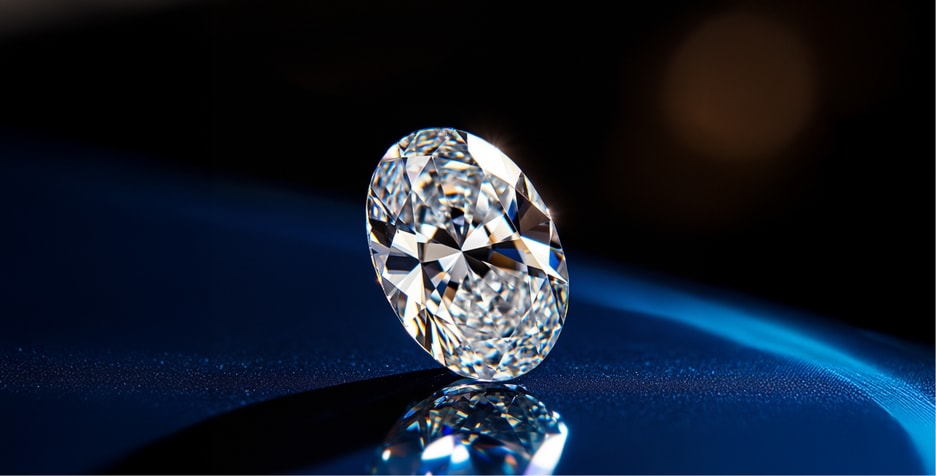
Diamond cut refers to how well-proportioned the diamond's dimensions, symmetry, and polish are.
The diamond cut is the most important part of the 4Cs because it affects the diamond’s sparkle, brilliance, and overall beauty. A great diamond cut can even make a diamond with lower color or clarity look more impressive.
While color and clarity matter, the diamond cut is what makes the biggest difference in how a diamond interacts with light. Remember, diamond cut and diamond shapes aren’t the same, even though people often confuse the two.
The Diamond Cut Scale ranks diamonds from Poor to Excellent. A well-cut diamond reflects light beautifully, making it more attractive than diamonds with higher color or clarity. A diamond cut grade chart can help you see how different cuts compare.
The way a diamond reflects light impacts its sparkle. Here’s what happens when light hits a diamond:
Reflection: Some light bounces right off the top of the diamond through the table facet. The rest of the light goes deeper inside the diamond and reflects off the internal walls. As light exits the diamond, it splits into different colors, which creates the rainbow effect you often see.

The depth of a diamond, measured from the table (top) to the culet (bottom), affects how well it reflects light. The depth percentage is the ratio of the diamond’s depth to its width, and it plays a big role in the quality of the diamond cut.
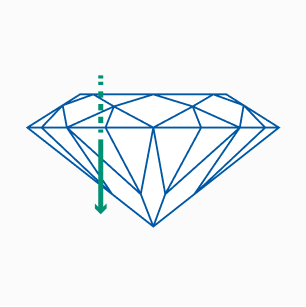
Light escapes from the sides, which reduces sparkle.
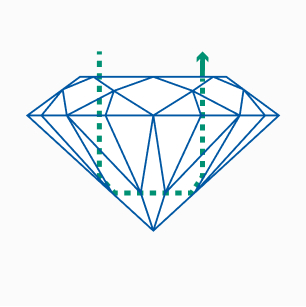
These diamonds have perfect angles, making them shine the brightest.

These diamonds may look smaller even though they have the same carat weight as others.
Polish and symmetry are crucial components of a diamond’s cut quality. For maximum brilliance, every facet must be polished after cutting. Polish refers to how smooth the diamond's surface is, with high-quality polish resulting in a more brilliant appearance. A diamond with poor polish may have visible marks or scratches, affecting its light reflection.
Symmetry is all about how well the facets align. A diamond with excellent symmetry will have facets that are balanced and properly aligned, allowing white light to reflect evenly and produce a consistent sparkle. If the facets are misaligned or uneven, the diamond will display less brilliance.
A diamond is made up of five key parts that influence its shape and overall brilliance. Understanding these components will help you make an informed decision when selecting the perfect diamond .
The table is the largest facet of a diamond, forming the flat surface on the very top of the stone.

The table percentage measures the width of the table relative to the overall width of the diamond. Finding the ideal table percentage is important, as it plays a major role in how much fire and brilliance the diamond displays.
The crown is the top portion of the diamond, located above the girdle and extending downward from the flat table at the very top. The crown plays a key role in light dispersion, contributing to the diamond’s fire and brilliance.

Crowns can be composed of step-cut facets or brilliant-cut facets, each affecting how light interacts with the diamond. A well-cut crown allows more light to pass through the diamond, enhancing its sparkle.
The girdle forms the outer edge of the diamond, where the crown and pavilion meet. It is the widest part of the diamond and spans the stone’s perimeter. A diamond’s girdle can be rough, polished, or faceted, though it typically doesn’t affect the stone’s visual quality. However, the thickness of the girdle can influence the diamond’s durability,
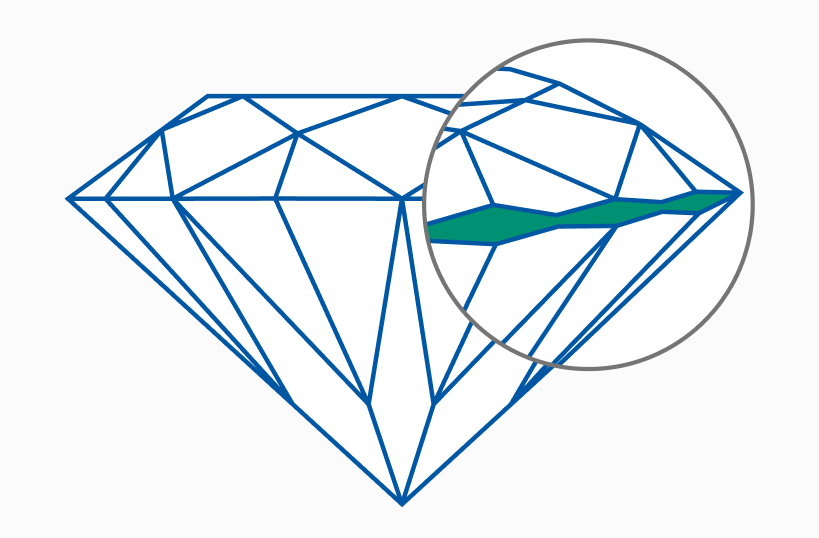
A girdle that is too thin may make the diamond more prone to chipping, while an overly thick girdle can affect how the diamond appears when set in jewelry.
Located at the bottom of the diamond, the pavilion bridges the girdle and the culet. Its purpose is to reflect light up through the top of the diamond, contributing significantly to the stone’s brilliance.

A pavilion that is cut too deep or too shallow can cause light to escape from the bottom or sides, reducing the diamond’s sparkle. A well-cut pavilion ensures that light is properly reflected within the diamond, enhancing its overall radiance.
The culet is the smallest facet of a diamond, positioned at the very bottom of the stone. In modern diamonds, the culet is often so small that it’s barely noticeable or may not exist at all, with many diamonds being graded as having ‘None’ for the culet.

The culet’s original purpose was to protect the diamond’s pavilion from damage, but with today’s durable settings, this feature is no longer as necessary. A small or non-existent culet is preferred, as it contributes to the diamond’s clean appearance and maximizes its sparkle.
The best diamond cut or shape is subjective and depends on personal preference and how the diamond will be used. That said, the round round cut is the most popular diamond shape. With 58 triangular facets and perfect symmetry, the round brilliant is renowned for its ability to return the most sparkle and brilliance, making it the top choice for many buyers.
The diamond cut is one of the most important factors influencing a diamond’s price. Diamonds with higher cut grades are generally more expensive because they offer better light performance and brilliance. A well-cut diamond, even if it has a lower color or clarity grade, will typically cost more than a poorly cut diamond with a higher color or clarity grade.
Diamonds with an Excellent cut grade are often the most expensive. However, price is determined by more than just cut quality; it also depends on the other 4Cs: color, clarity, and carat weight. Among the different cuts, the round brilliant diamond tends to be the most costly due to its high demand, perfect symmetry, and ability to maximize sparkle. Other fancy cut diamonds, such as emerald, cushion, oval, and princess cut diamonds, can also be expensive when cut to the highest standards and paired with excellent color and clarity grades.
Want the “too long, didn’t read” version of this article? Watch this short video to learn about diamond cut the fast way with the highlights about faceting, table and depth percentages, polish, and symmetry.
Still have questions? Contact a Diamond and Jewelry Expert at 866-737-0754 to start your diamond buying journey.

Find your perfect diamond.


